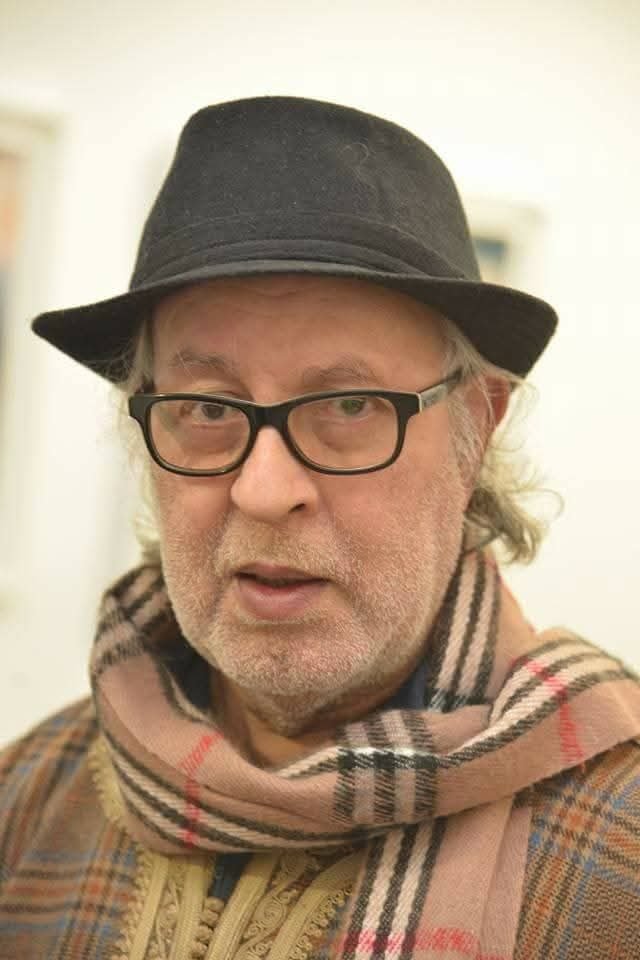
The documentary: a father, a daughter, fifty years of music
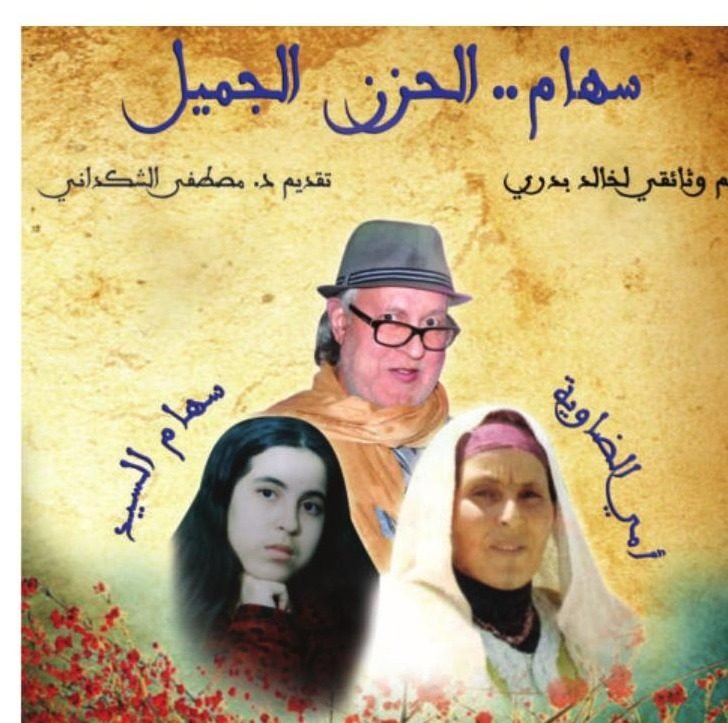
A 52-minute film directed by Khalid Badri, tracing Omar Sayed's life and his bond with his mother and his daughter Siham. Watch it in full below.
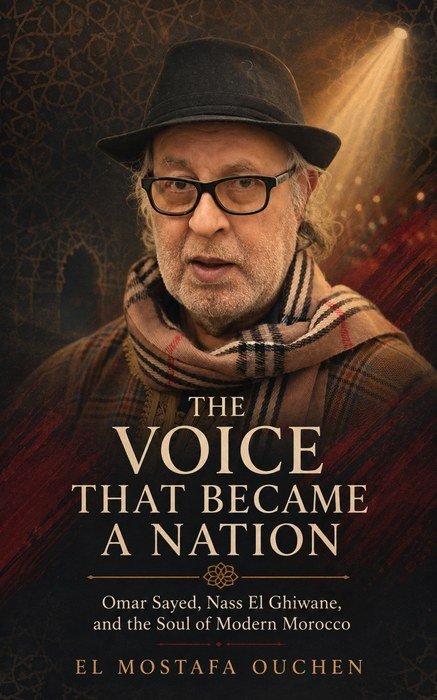
The Voice That Became a Nation
A companion volume to the story told on this site, from a writer and photographer who has documented Nass El Ghiwane in performance for years. The book follows the same threads — a childhood in Hay Mohammadi, the founding of a band Martin Scorsese would later call "the Rolling Stones of Africa," and the personal cost behind five decades on stage.
Click or use the arrows to turn the page.
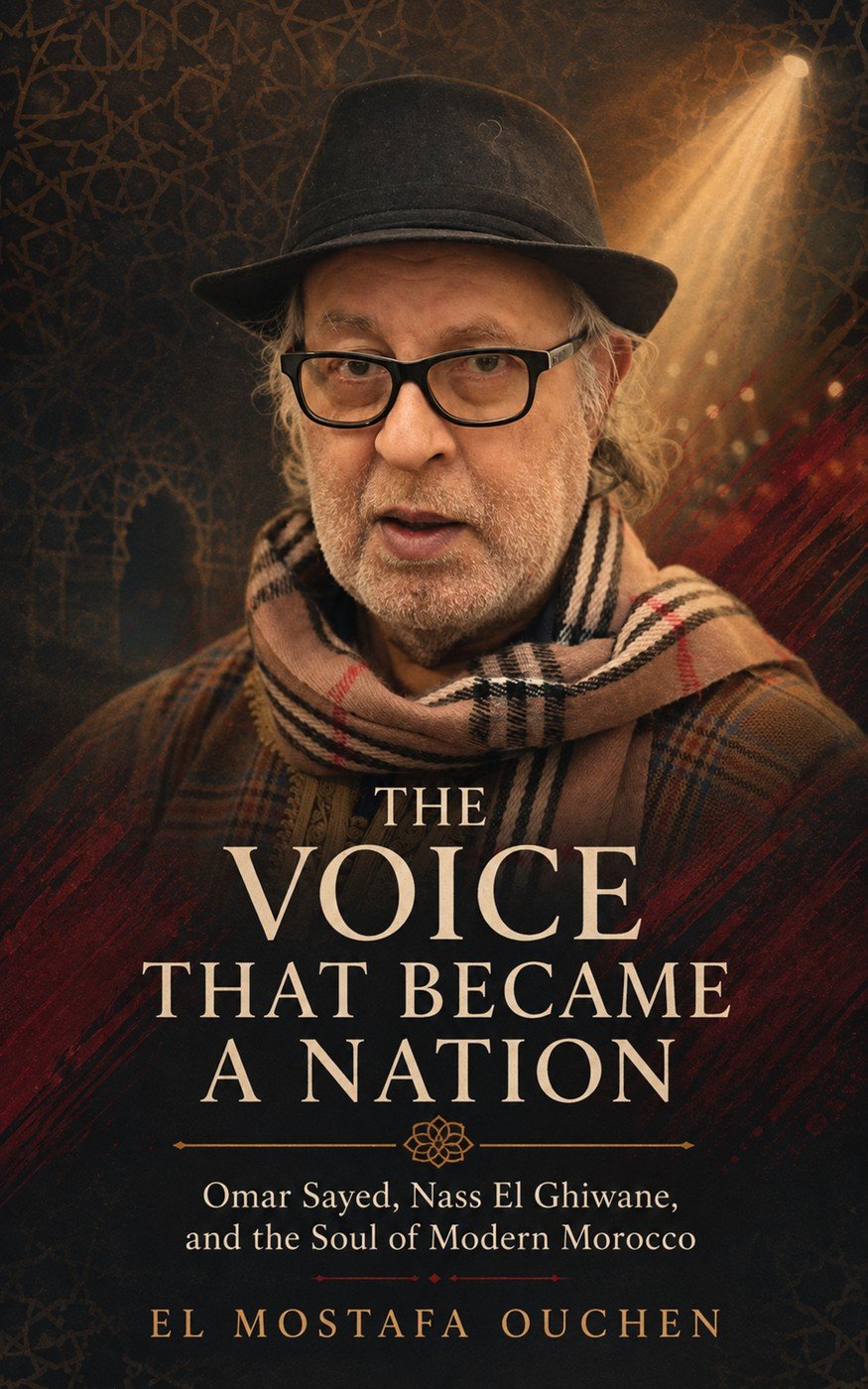
The Voice That Became a Nation
El Mostafa Ouchen
Featuring material newly available in English
Nineteen chapters — the founding of Nass El Ghiwane, the banjo without frets, the film that crossed an ocean, Siham's story, and Omar Sayed in his own words.
A child of Hay Mohammadi
Before he was a musician, Omar Sayed was a boy scavenging a U.S. Army dump for comic books, teaching himself what a story was from pages that were missing their endings.
Omar Sayed says he was born in 1944 Unconfirmed in Casablanca's Derb Moulay Cherif, on the day his father's hay warehouse burned down — a coincidence his father took as a bad omen. His father, known as Ba Abdallah, was a Soussi Berber and a resistance fighter against the French protectorate, arrested in 1953 and exiled to the Aït Baha region. Verified Independent reporting confirms the family's roots in the Houara region of southern Morocco.
Left largely on his own between 1953 and 1956, the young Omar was accidentally enrolled in school under the wrong name, survived a rumor of mass extermination aimed at the poor, and found his imagination — quite literally — in a garbage dump nicknamed "the Americans' trash heap," where torn comic books taught him what fiction was.
Fanack's independent research on the band names the mothers of its three founders as direct contributors to its lyrics and sensibility — Boujmiî's mother Minah, Larbi Batma's mother Haddah, and Omar Sayed's mother, transliterated "Al-Dawiyah." Verified That spelling independently confirms "Daouia."
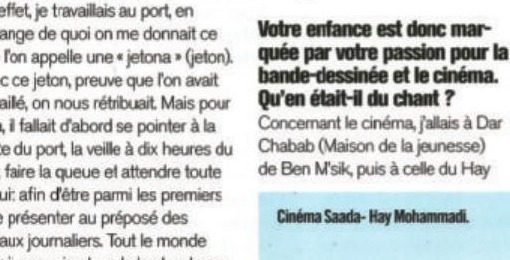
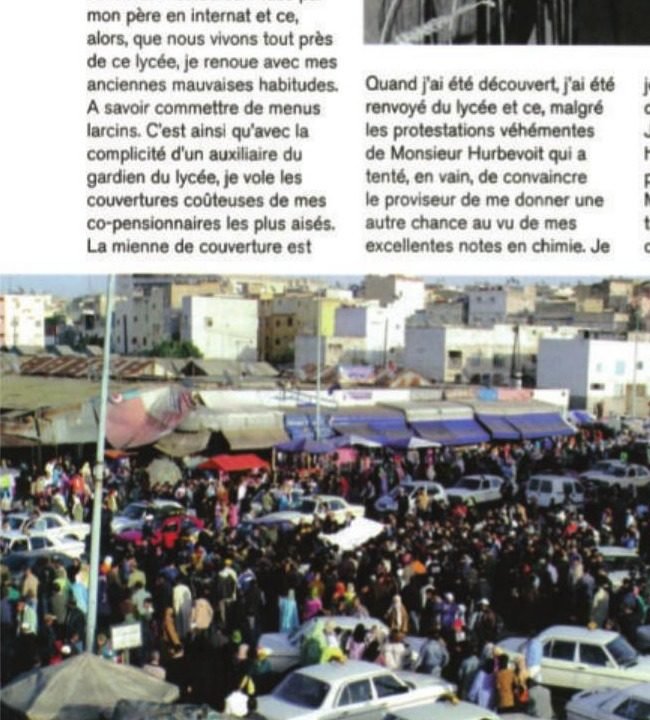
Hay Mohammadi was, in Omar Sayed's own words, "cosmopolitanism, Moroccan-style" His testimony — a working-class district where no one was truly a native, because Casablanca's industrial boom had pulled families in from every corner of the kingdom. That mixture — Houara rhythms, Aïta song, Gnaoua dance, melhoun poetry — is the raw material Nass El Ghiwane would later fuse into something entirely new.
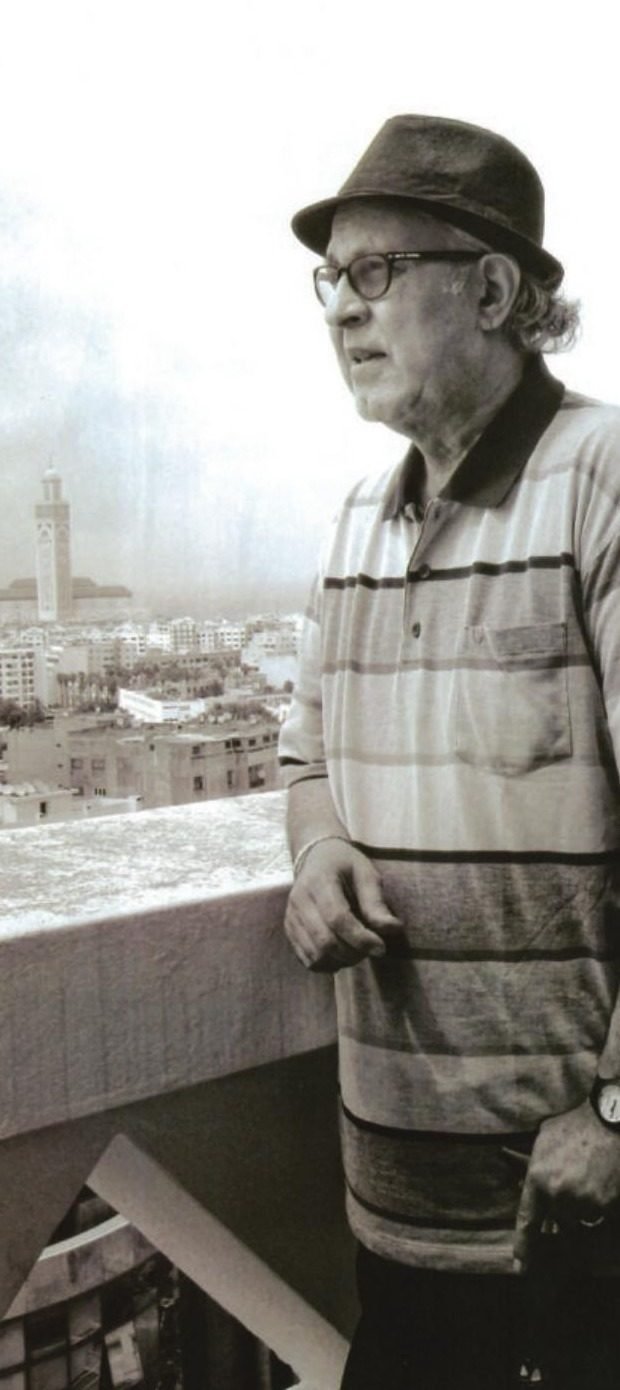
From street theatre to a new sound
Nass El Ghiwane didn't start as a band. It started as a theatre troupe of teenagers from the same block, mentored by one of Morocco's great playwrights.
Omar Sayed met H'gour "Boujmiî" through the neighborhood, not through any stage. Trying to impress an older crowd of friends, he leaned on his one obvious talent — rhythm — and launched into drum solos that won Boujmiî over. In 1963 the two of them, with Allal Yaâla, formed a theatre troupe called Rouad Al Khachaba, "Pioneers of the Boards." Verified
Their real education came from playwright Tayeb Saddiki, who introduced them to bsat — an old form of Moroccan popular theatre in which masked performers could tell an uncomfortable truth to the Sultan's face and walk away unpunished. It is not hard to hear an echo of that same indirection in the band's later relationship with power.
Serious sources genuinely disagree on the founding year of the band itself — 1969, 1970, or 1971 depending on the source. Disputed What's firmly documented is the first major concert: Rabat, 1971, at the Théâtre Mohammed V. Verified
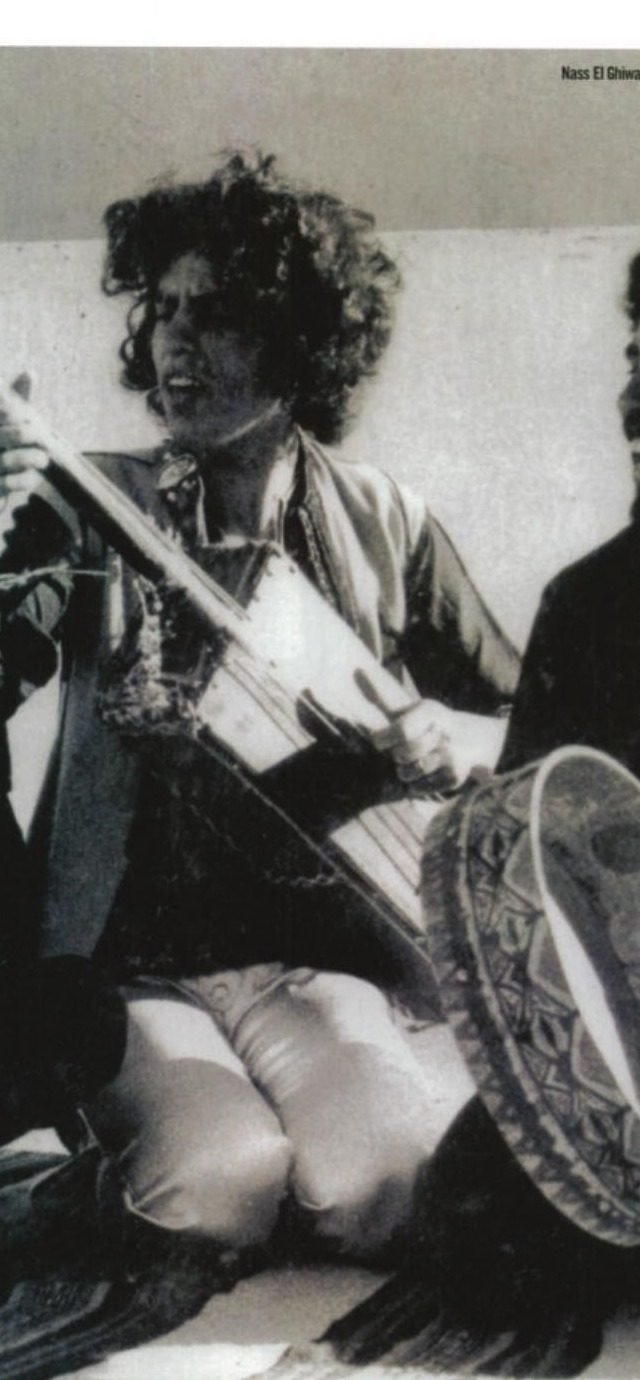
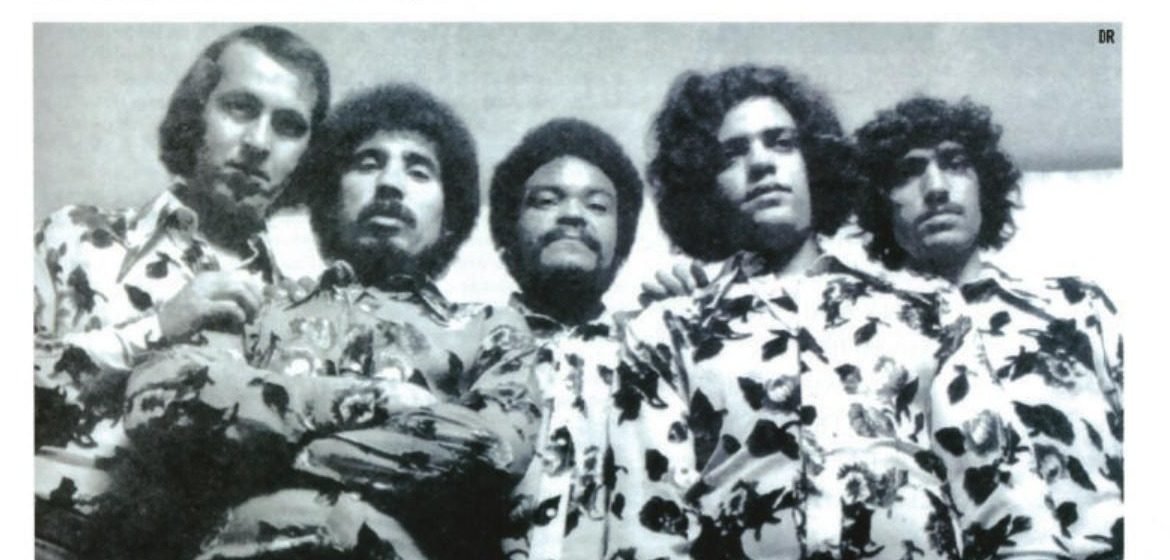
1947 – 1997
The high, keening voice against Boujmiî's low register. His brothers Rachid and Hamid later joined the band; his family became a musical dynasty of its own — the "Zaouia Batmaouia."
c.1944 – 26 Oct 1974
"Boujmiî" — said to have coined the band's very name. Died at around thirty. Cause disputed Official account says illness; his brother has publicly alleged poisoning.
Oulad Berrhil · joined 1974
Allal received the fretless banjo Omar Sayed bought for 450 dirhams. Abderrahmane "Paco" Kirouche joined after Boujmiî's death, bringing Gnaoua influence.
Five notes, no electricity
No guitar, no synthesizer — and yet a sound Martin Scorsese would later judge as powerful as any rock record of its era.
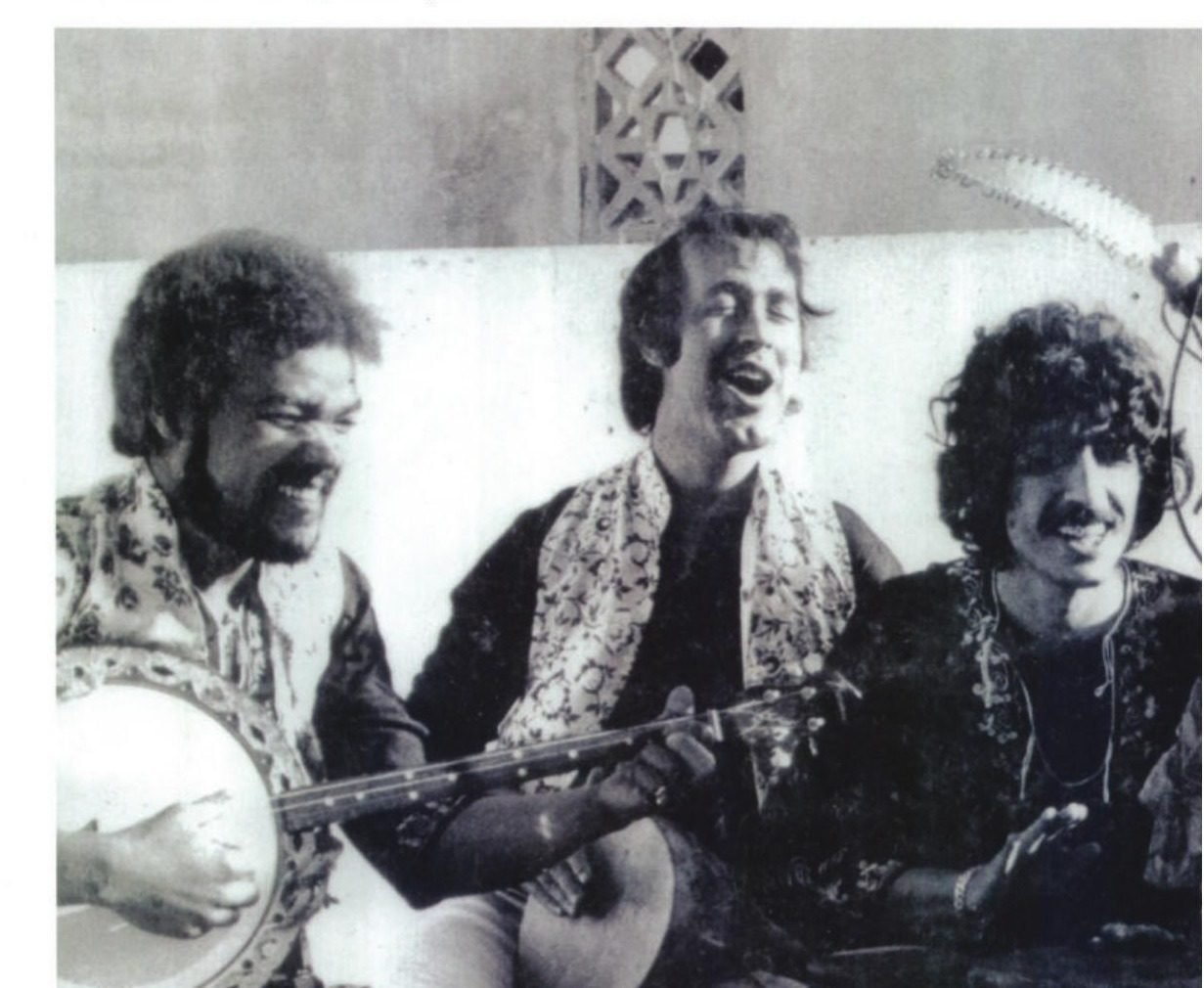
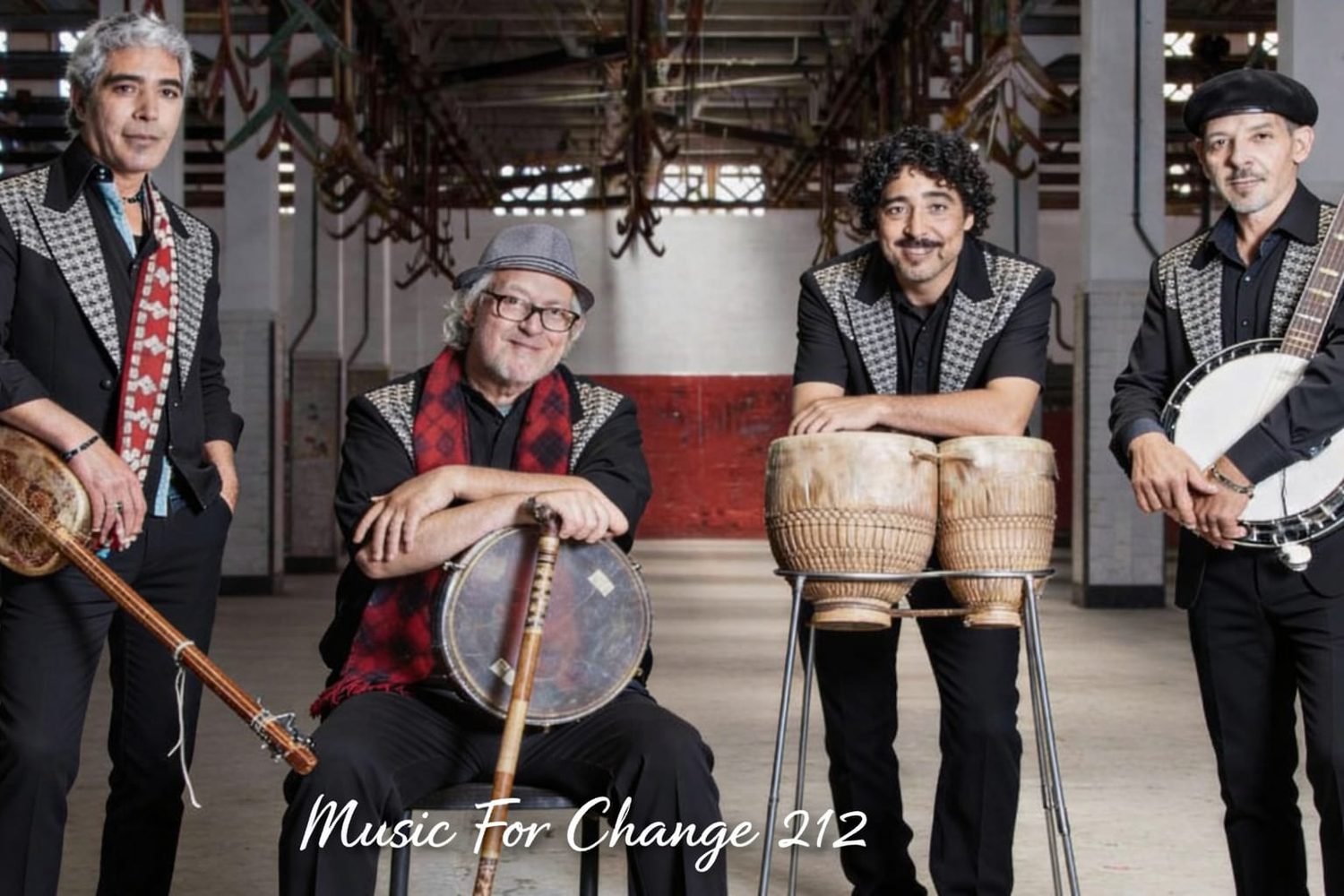
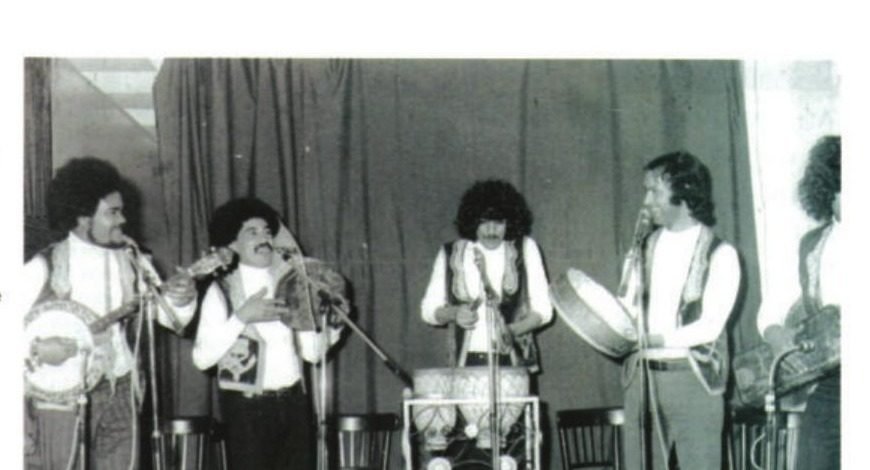
The band's instrumentation reads like an inventory of Hay Mohammadi's Sunday gatherings: the bendir frame drum, the derbouka, the daâdou, the guembri lute inherited from Gnaoua tradition — and one outsider, a banjo Omar Sayed bought for 450 dirhams and had de-fretted so it could play the quarter-tones Western instruments can't reach.
Omar Sayed's own music theory, offered half in earnest: Berber music, he says, works in five notes rather than the Western seven — the same pentatonic logic he hears in Chinese, Japanese, and Sudanese music, and even, he jokes, in a rooster's crow, "wherever in the world you happen to be." His testimony
The lyrics draw on melhoun poetry, Gnaoua ritual, and above all the maxims of Abderrahmane El Majdoub, a 16th-century mystic poet whose words, tradition holds, were the most feared by a sultan who ever lived. Nass El Ghiwane's own stance, Omar Sayed insists, was never political militancy — it was Sufi dissent: non-violent, and reaching past politics entirely.
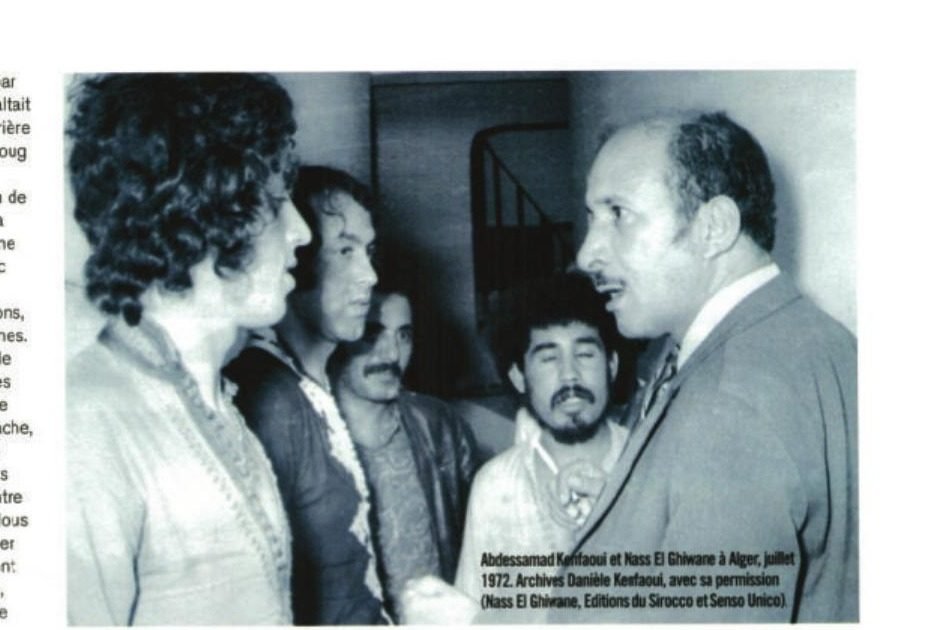
Roughly 77 songs.
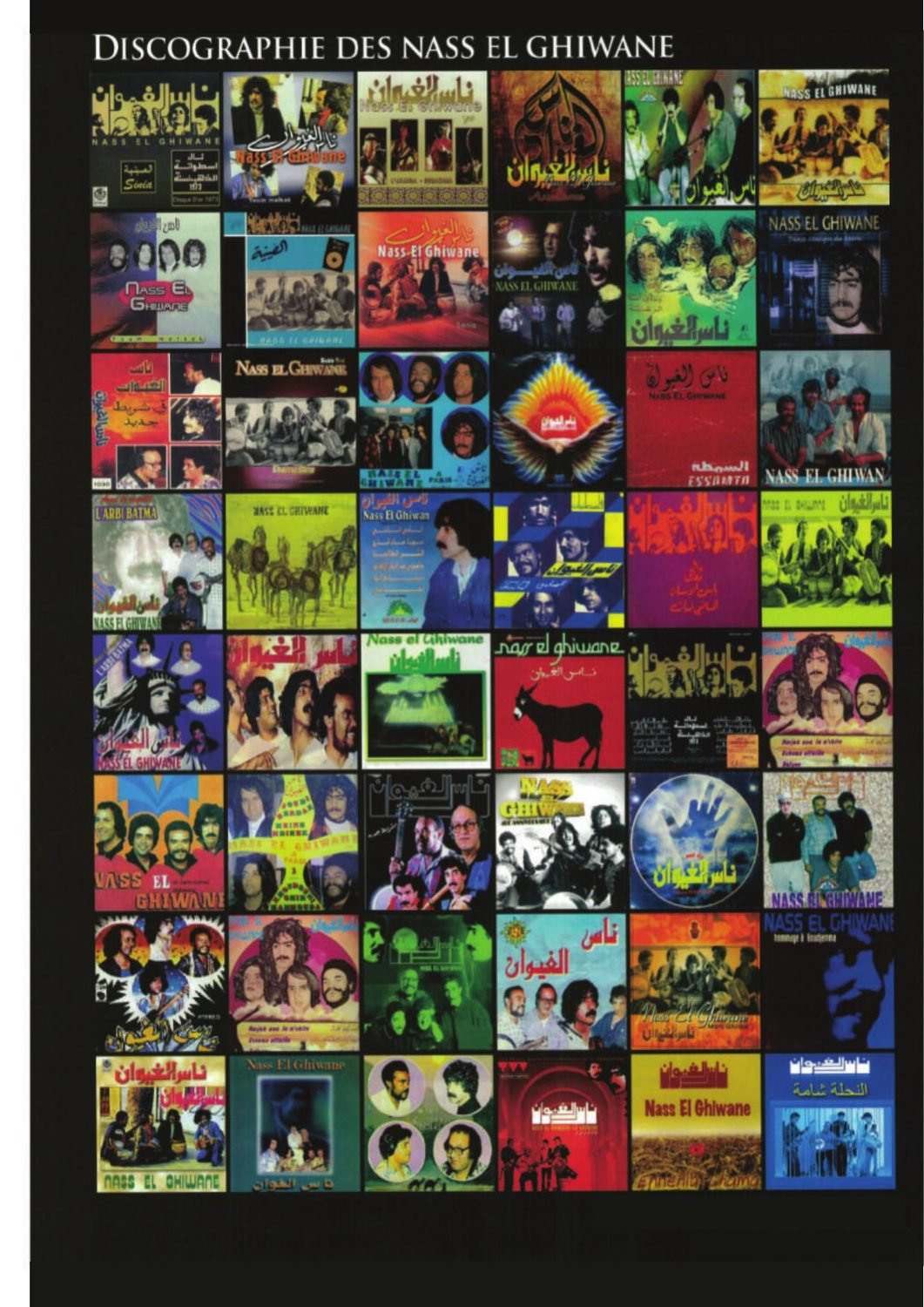
25 albums. Five "gold records."
Nass El Ghiwane's 1973 Polydor debut carries the words "Disque d'Or" on its own sleeve — a commercial and symbolic label, repeated ever since by the press and the band itself, rather than an independently audited certification. Verified as a repeated press figure
The catalogue since has spanned Cléopâtre, Espérance, Édition Hassania, Azwaw, and Blue Silver, plus the standalone Transes soundtrack (1981). Some songs carry family history directly: "El Hassada" draws on Larbi Batma's mother; "Ma Hemouni" on Boujmiî's.
The film that hypnotized Scorsese
A documentary a Moroccan audience first received coolly became, decades later, the first film Martin Scorsese's foundation ever restored.
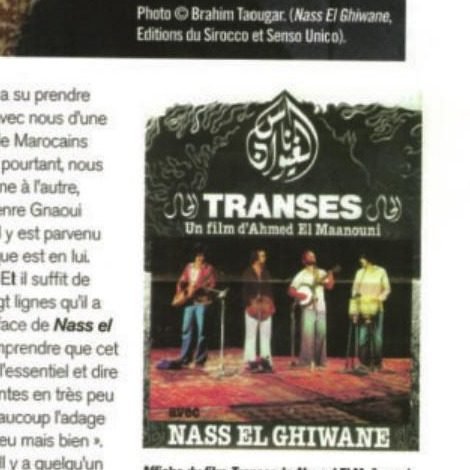
Ahmed El Maânouni's 1981 documentary Transes won the Audience Award at Morocco's first National Film Festival the following year. Verified Omar Sayed remembers a cooler reception among Moroccan students at the time, who felt the film's use of everyday darija showed the band in too ordinary a light. His testimony
In New York, editing The King of Comedy, Martin Scorsese stumbled on a late-night broadcast of the film. His own words:
In 2007, Transes became the very first restoration by Scorsese's World Cinema Foundation, screened at Cannes Classics and, that December, on Jemaa el-Fna square in Marrakech. Verified
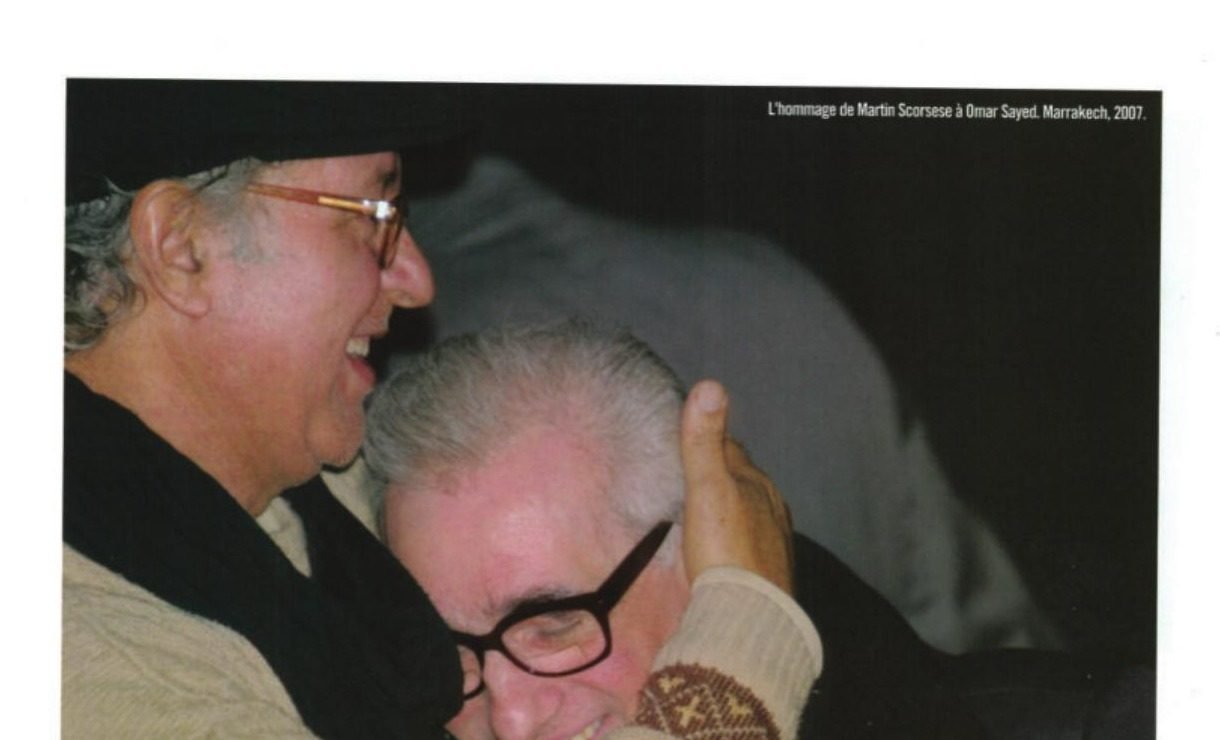
It was around this rediscovery that Scorsese is widely quoted calling the band "the Rolling Stones of Africa" — a phrase repeated in countless articles since, though its precise wording and origin vary by source. Wording disputed He later wrote the preface to Omar Sayed's 2011 book, dated New York, 29 December 2010 — and used the band's song "Ya Sah" on the soundtrack of The Last Temptation of Christ.
The people he met along the way
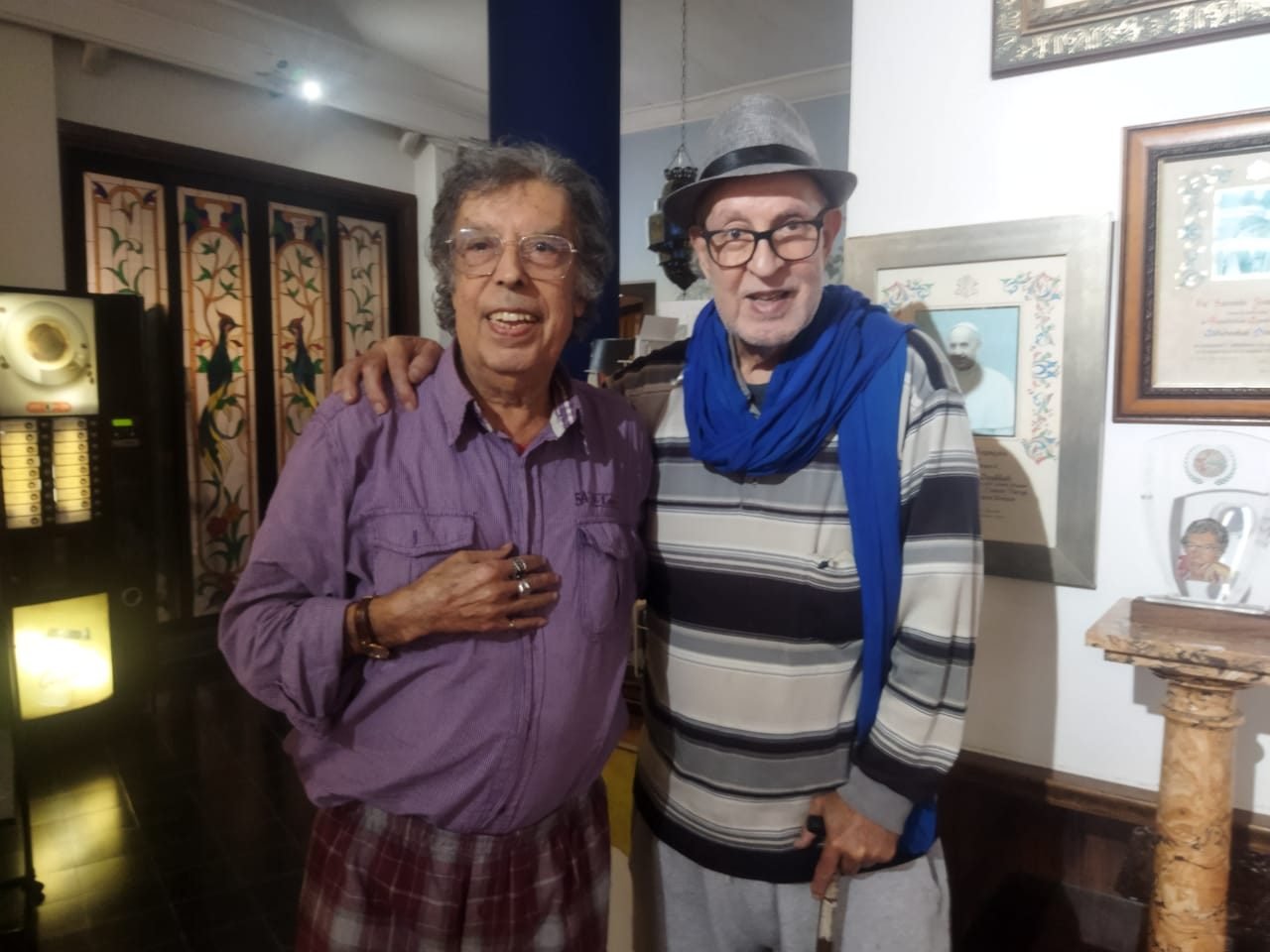
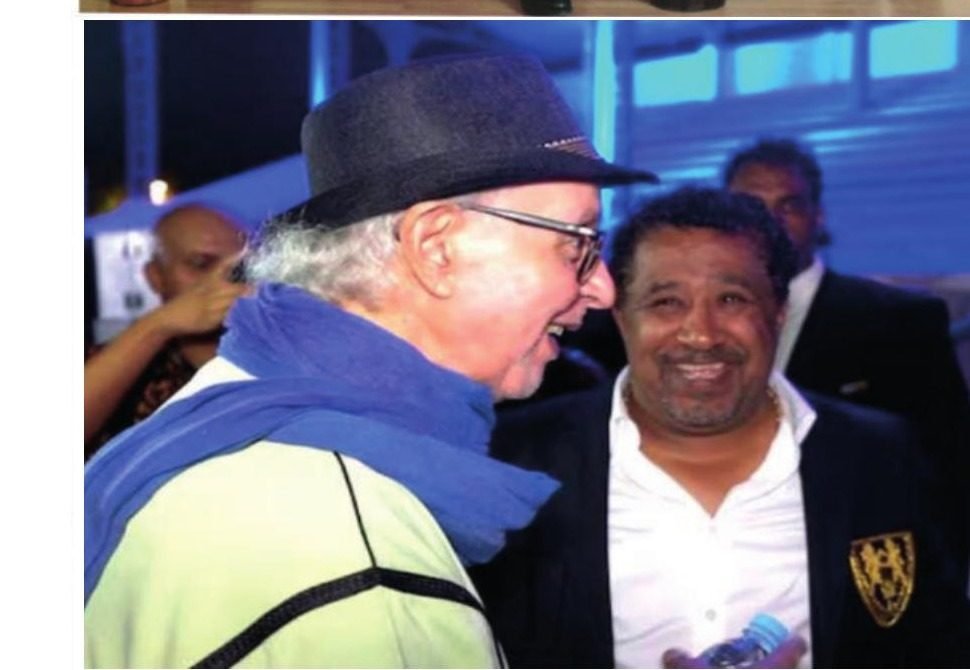
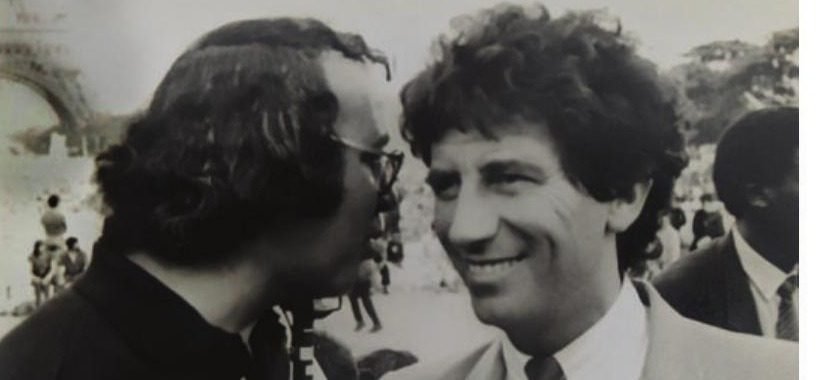
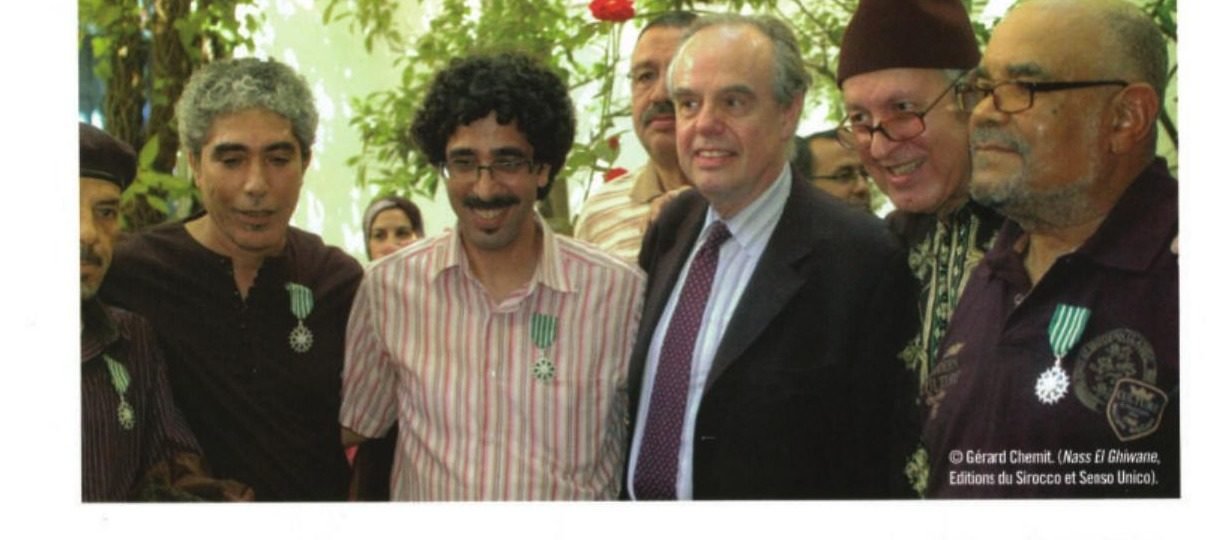
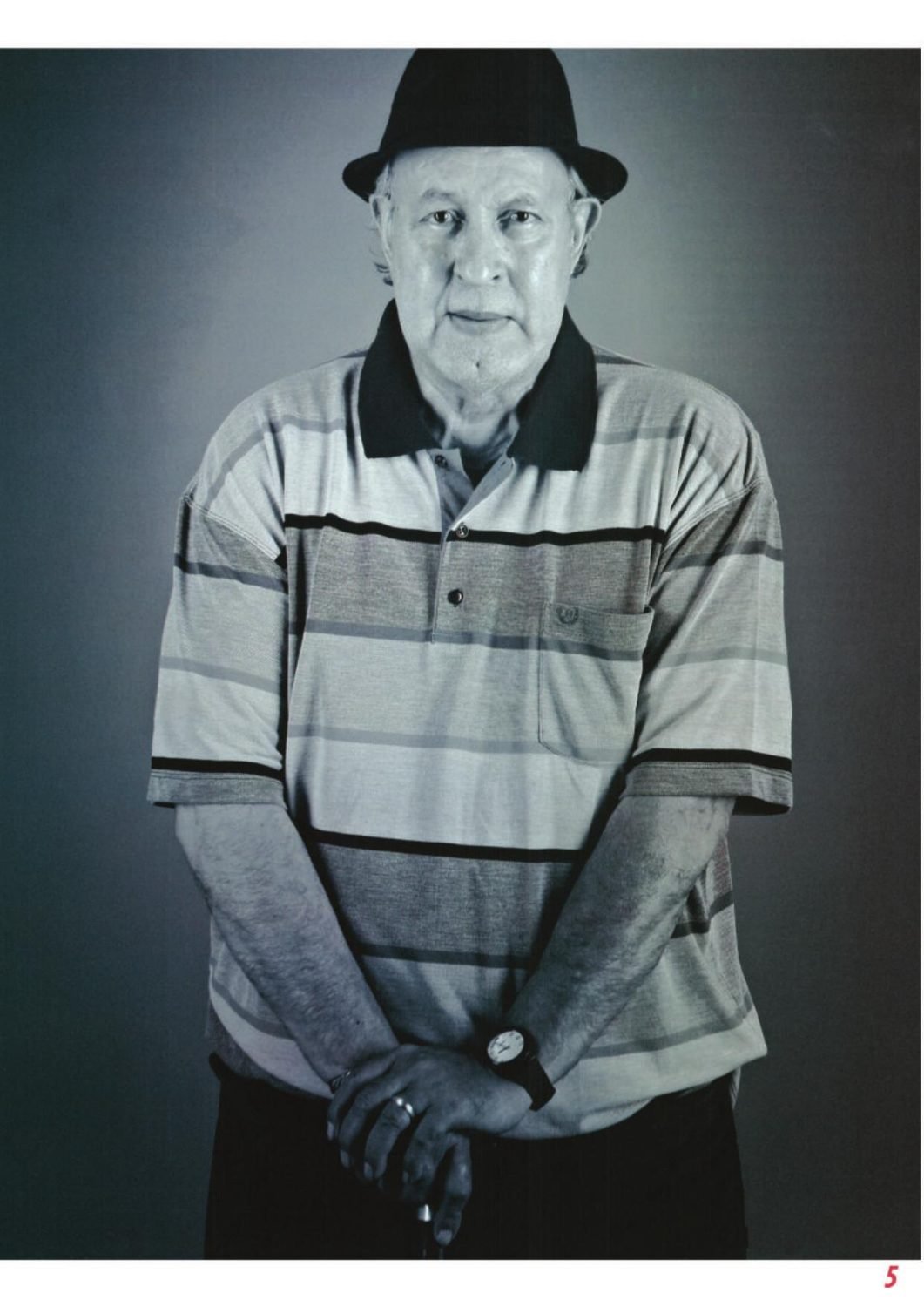
"A happy ending. May their songs outlive them."
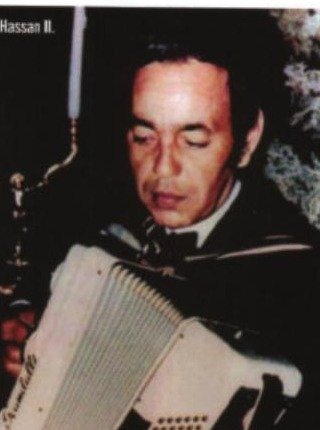
Boujemâa H'gour died on 26 October 1974, around age thirty. Date verified Cause disputed — official accounts point to illness; his brother Abdellah has publicly alleged poisoning. Larbi Batma died of lung cancer on 7 February 1997, at 49; Hassan II reportedly arranged his treatment in the United States. Abderrahmane "Paco" Kirouche, who joined in 1974 and left in 1993, died on 14 October 2012.
Larbi's brothers Rachid and Hamid Batma later joined the band, keeping the name — and the family — alive on stage.
Family, behind the public figure
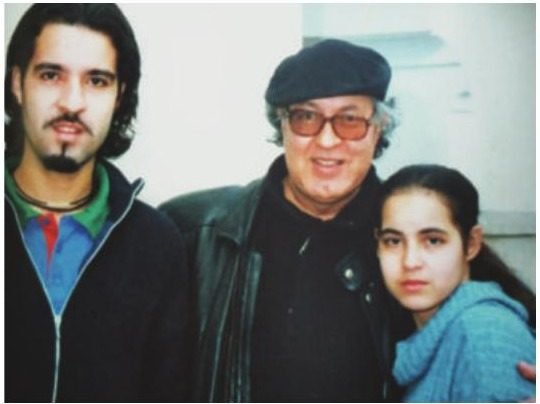
Omar Sayed has never drawn a hard line between his public and private selves. He speaks openly about his mother, his father, siblings he has lost, and — most of all — his daughter.
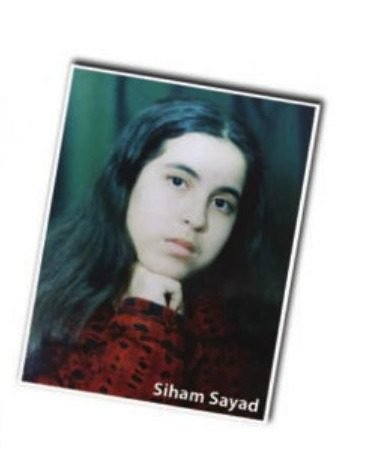
Siham Sayed died on 27 August 2010, at thirty, after a long illness. Family testimony The 2011 book Nass El Ghiwane is explicitly dedicated to her memory — a fact confirmed well beyond her father's own account. Verified
In 2015, Omar Sayed told the Moroccan press he had arranged for his daughter's reburial at Casablanca's Achouhada cemetery, five years after her original burial. Public statement, verified as reported A 2016 Arabic-language documentary, "Siham... the Beautiful Sorrow," directed by Khalid Badri, was screened by Moroccan cultural associations through 2019.
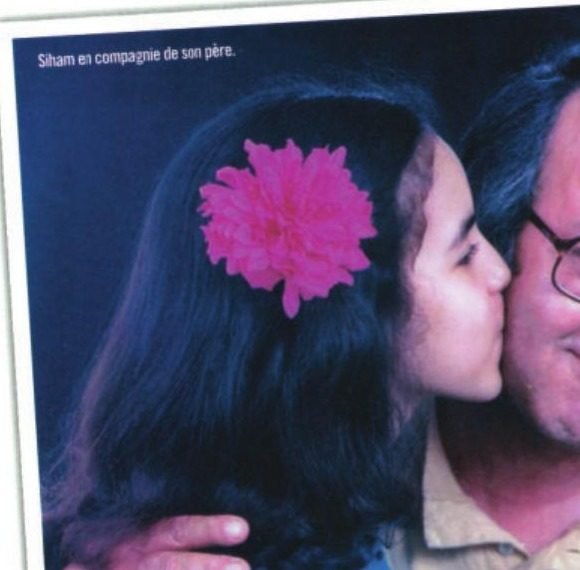
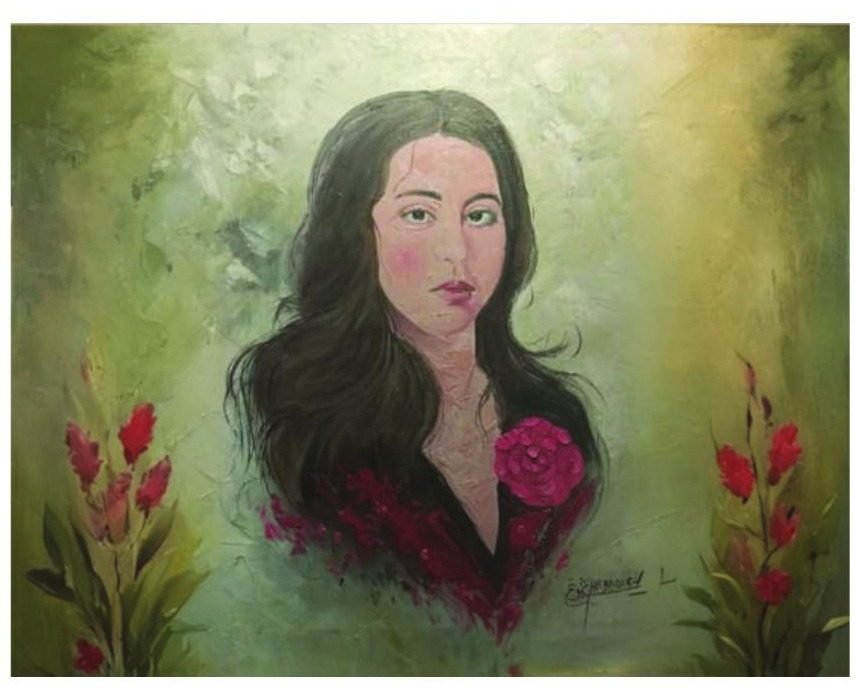
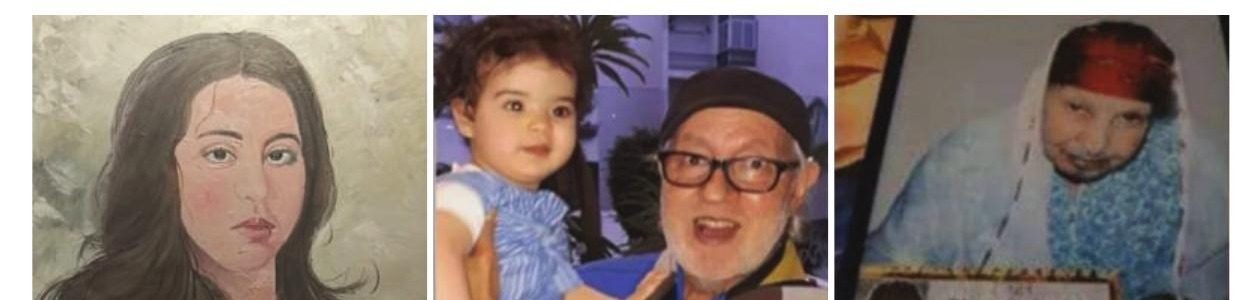
The family has shared a song written and recorded in Siham's memory. Family-supplied, title and credits not independently verified
A 52-minute documentary directed by Khalid Badri, first screened on 1 November 2016 at a cultural evening in Casablanca and presented by Dr. Mustapha Chikdali, traces Omar Sayed's life and his bond with his mother and his daughter Siham. Verified — screening reported by Barlamane and Assabah It was screened again at Ibn Zohr University in Agadir (2017) and by the Maraya association (2019).
Still on the ship
Omar Sayed's health became public news twice in recent years — and both times, he chose to reassure his audience directly.
In an October 2024 interview with Hespress, Omar Sayed said he had "reached his eighties" His own words, Hespress — a detail that independently reinforces the 1944 birth year discussed above, over the 1947 alternative. In the same interview he described friendship with Algerian raï star Cheb Khaled dating back to the early 1980s, and pushed back on the idea that Nass El Ghiwane's music was ever "committed" political art: His own words
On 28 January 2025, Omar Sayed underwent surgery in a private Casablanca clinic for complications from a herniated disc. Verified — Al3omk, multiple outlets Moroccan press reported that fellow founding member Allal Yaâla — with whom Omar Sayed had a public falling-out spanning years — visited him at the clinic, several outlets framing the visit as the illness having "closed the page" on their rift. Verified, reported by multiple outlets
That July, Omar Sayed's health kept him from joining Nass El Ghiwane's performance at Tunisia's Hammamet International Festival — the first time in the band's history it performed without a single founding member present, with Rachid Batma addressing the crowd on his behalf. Verified, Hespress & Madar21
Most recently, in early July 2026, Omar Sayed underwent a further operation to treat a hernia. He appeared from the hospital shortly afterward to reassure fans directly that the surgery had gone well and his recovery was progressing — a video that circulated widely on social media. Verified — Akhbarona and Al Jarida24, both reporting his own hospital statement
The band that taught a generation how to sound Moroccan
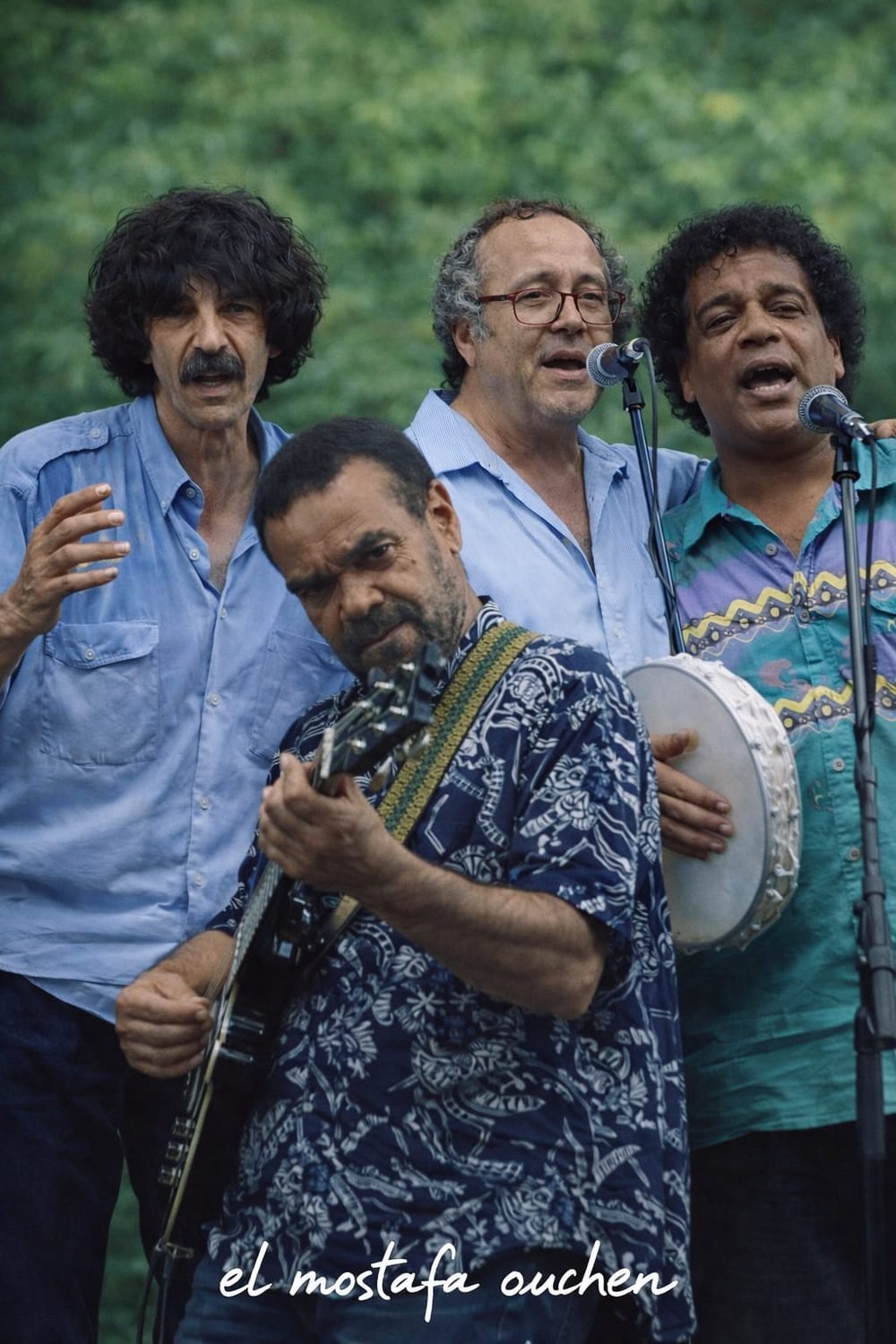
Nass El Ghiwane's DNA runs through Jil Jilala and Lemchaheb (founded by Larbi Batma's brother Mohamed), and across the border into Algerian raï — several sources report that a young Cheb Khaled got his start covering the band's songs before finding his own sound.
In the 2000s, a red album sleeve featuring a donkey became, unexpectedly, a badge of the "Nayda" generation — T-shirts reading "H'mar ou Bikhir," "a donkey, and happy to be one." Omar Sayed's own fondness for the animal ties back to a Quranic call for mercy toward "those who are on the earth," and a lifelong dislike of bullfighting, cockfighting, and boxing alike.
A life, mapped
Dates in bold are independently verified; others rest on Omar Sayed's own account or remain genuinely disputed among sources — see the legend below the timeline.
More from the archive
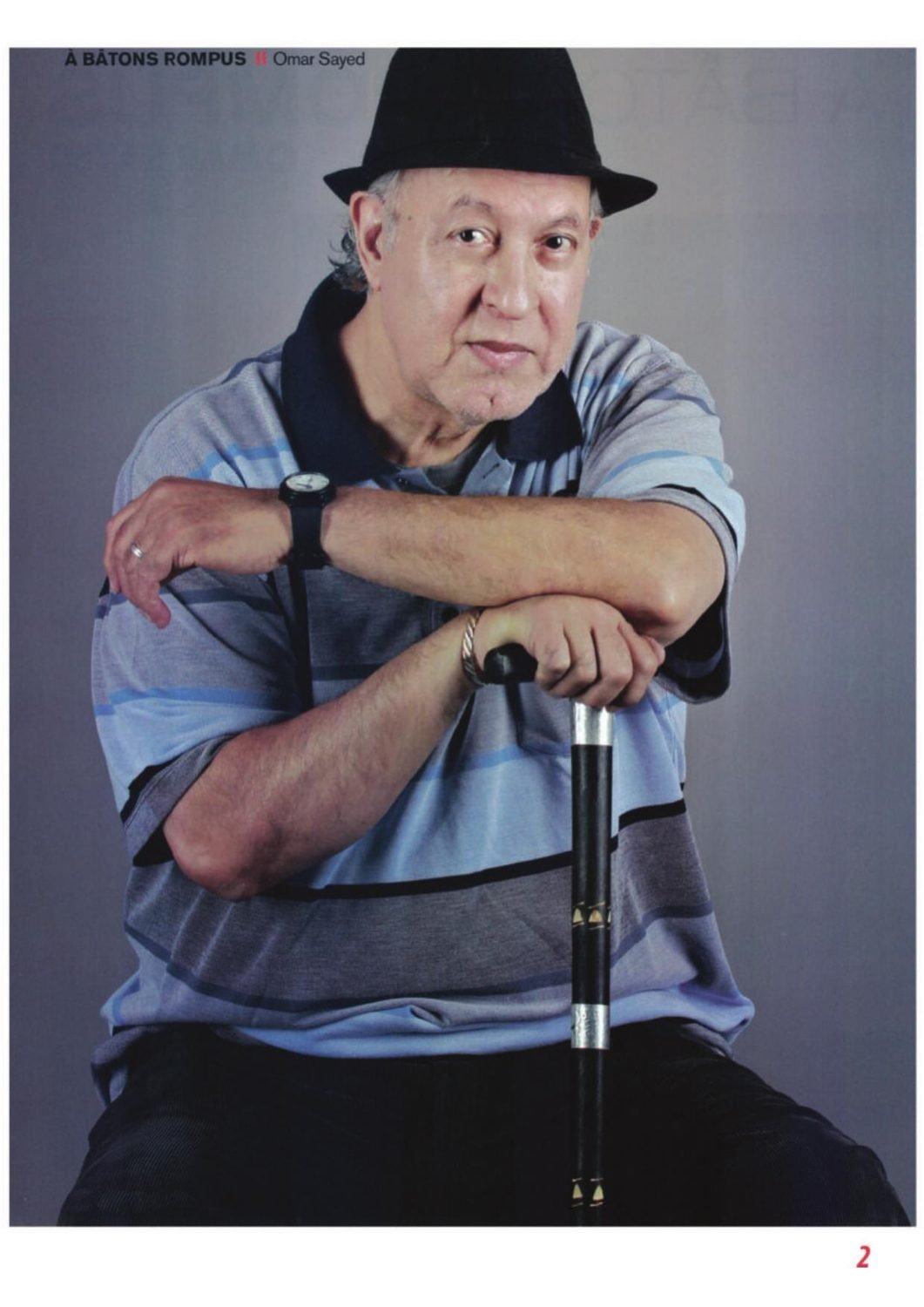
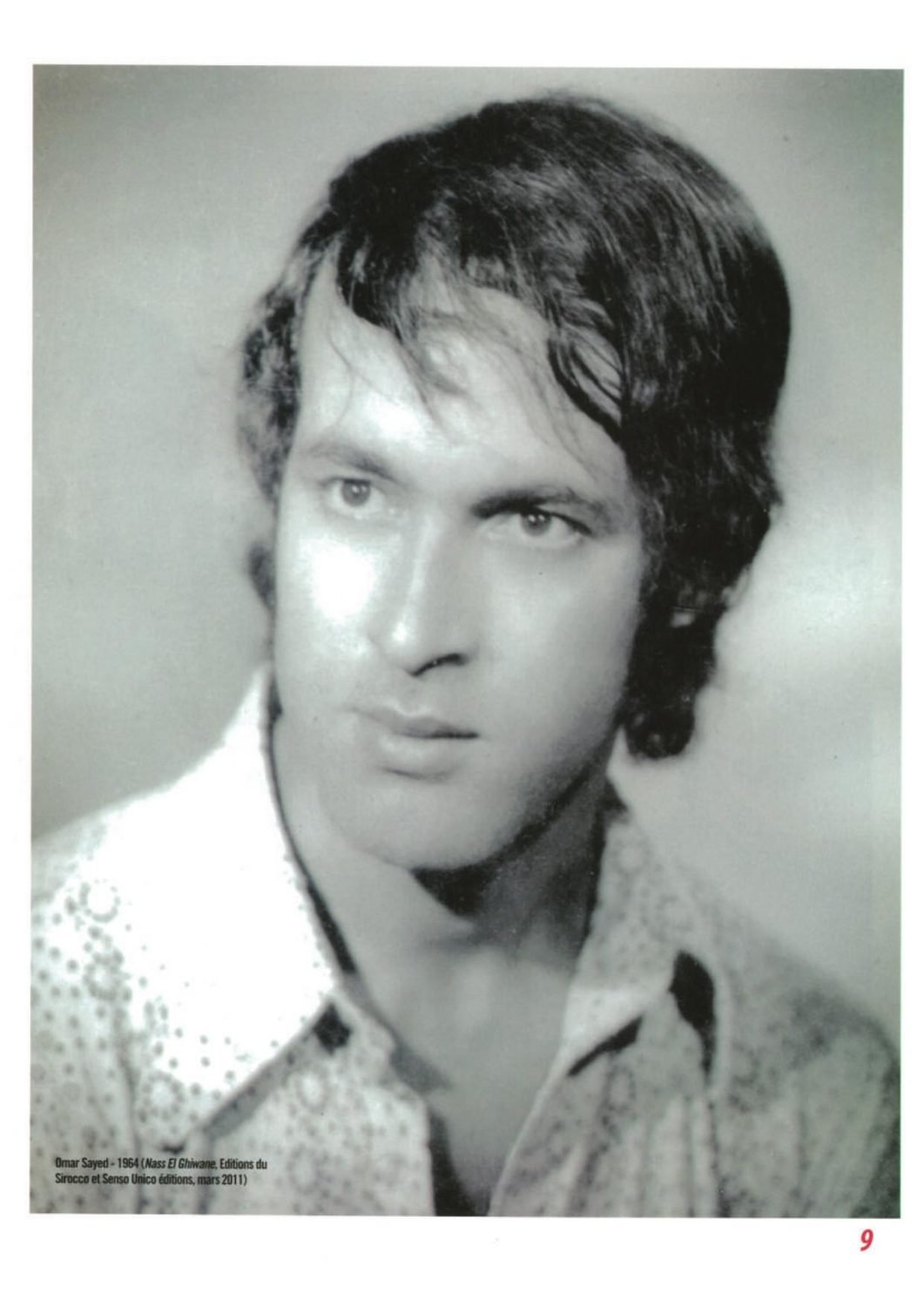
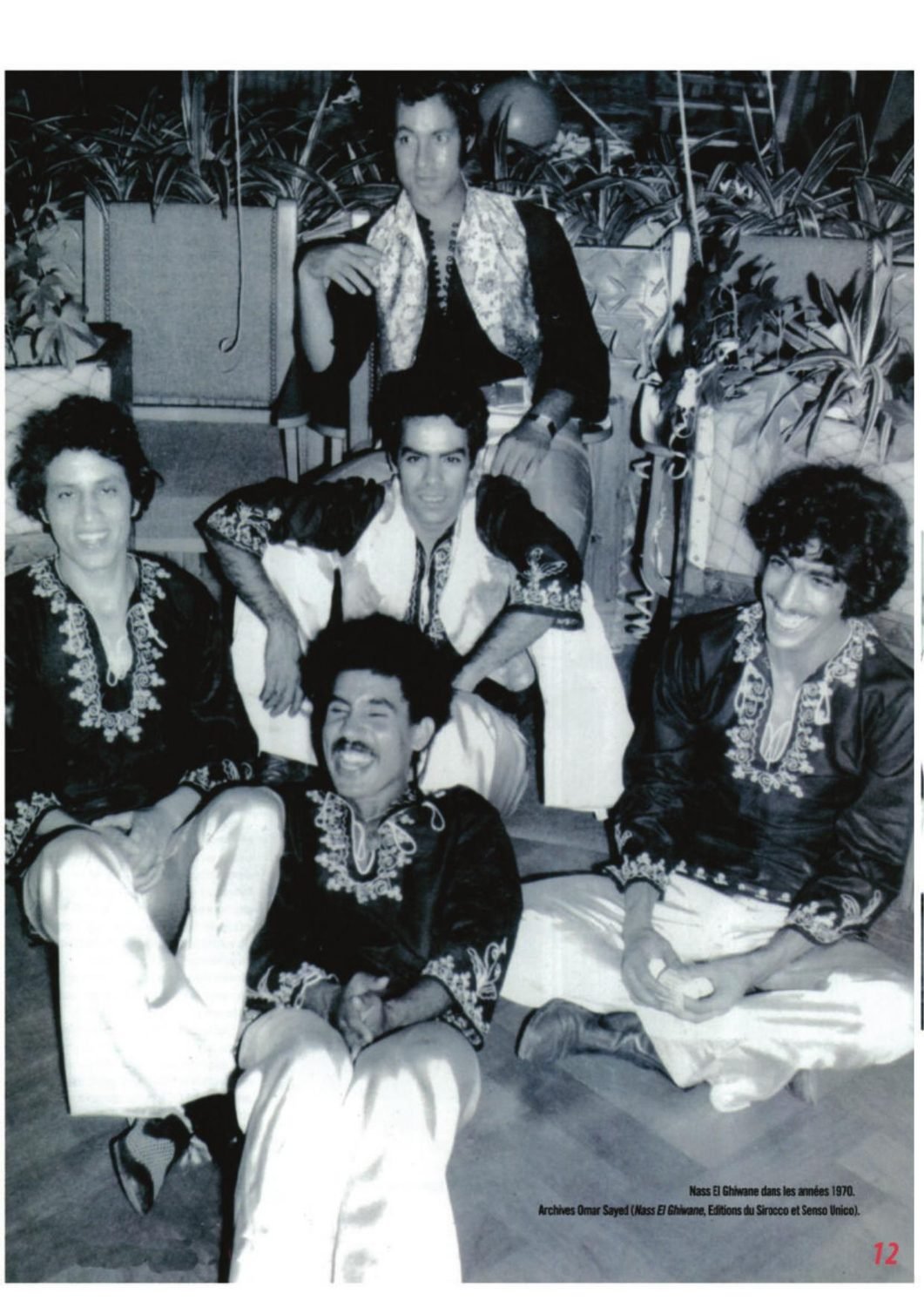
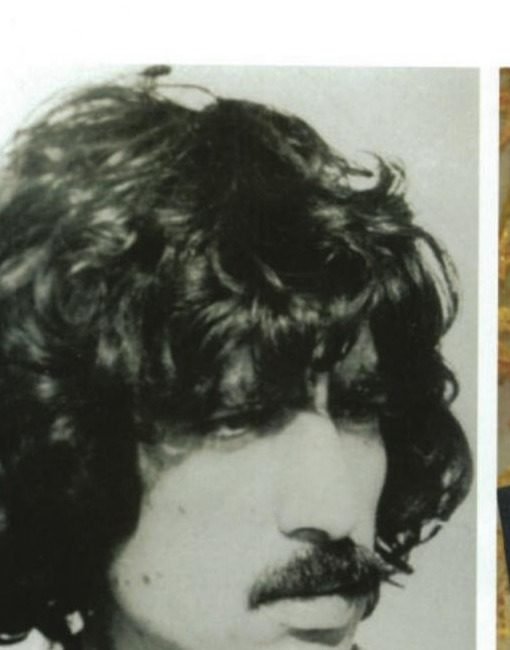
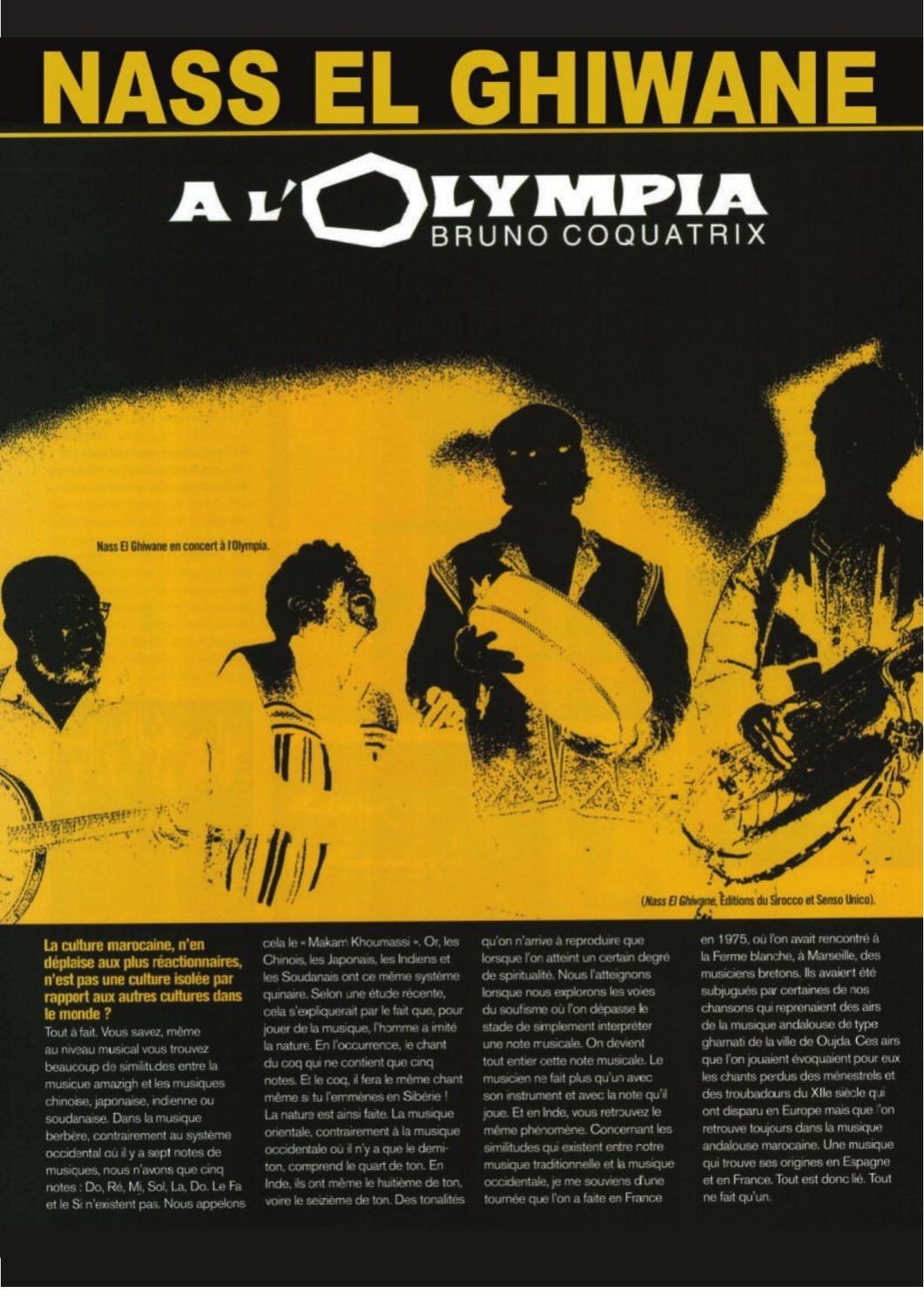
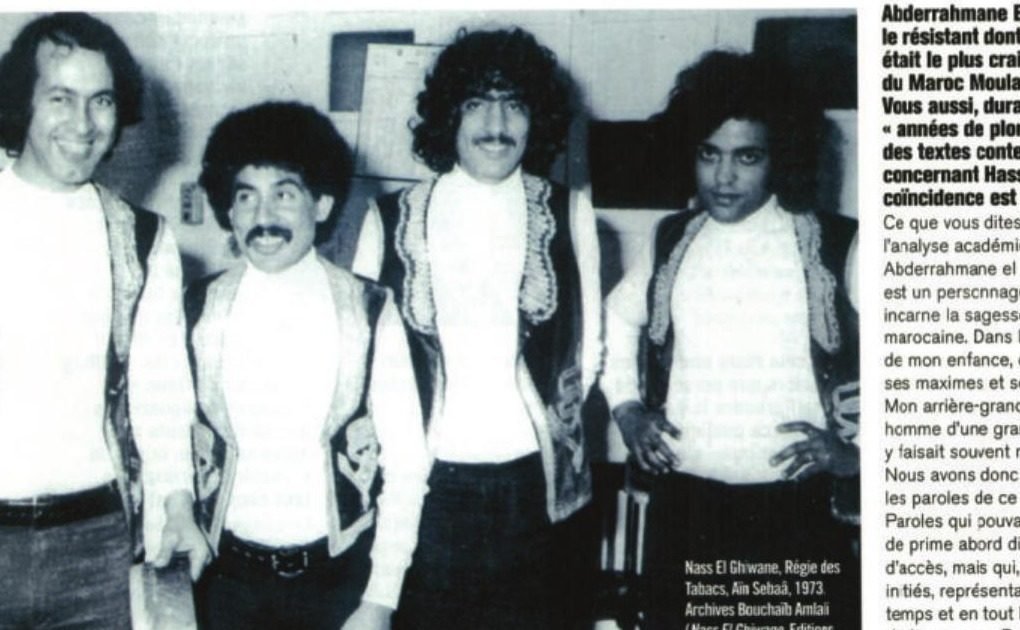
Shown at full frame — nothing here is cropped to fit a grid. This is a small preview; the complete photo archive — childhood, the band, family, and the years since — lives on its own page.
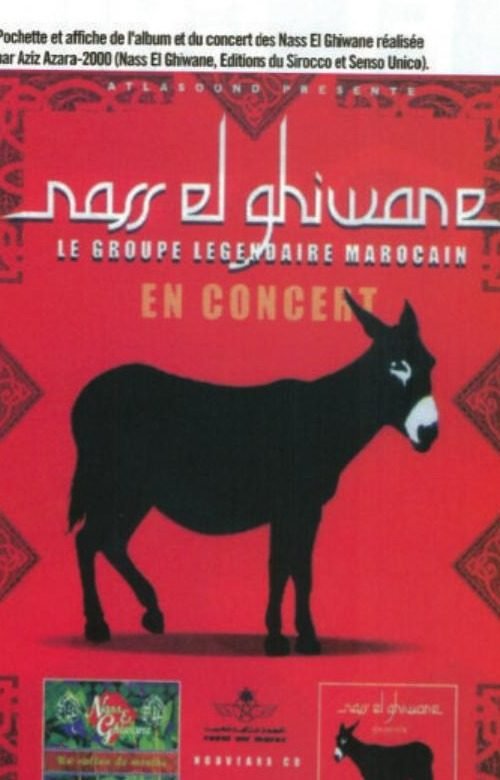
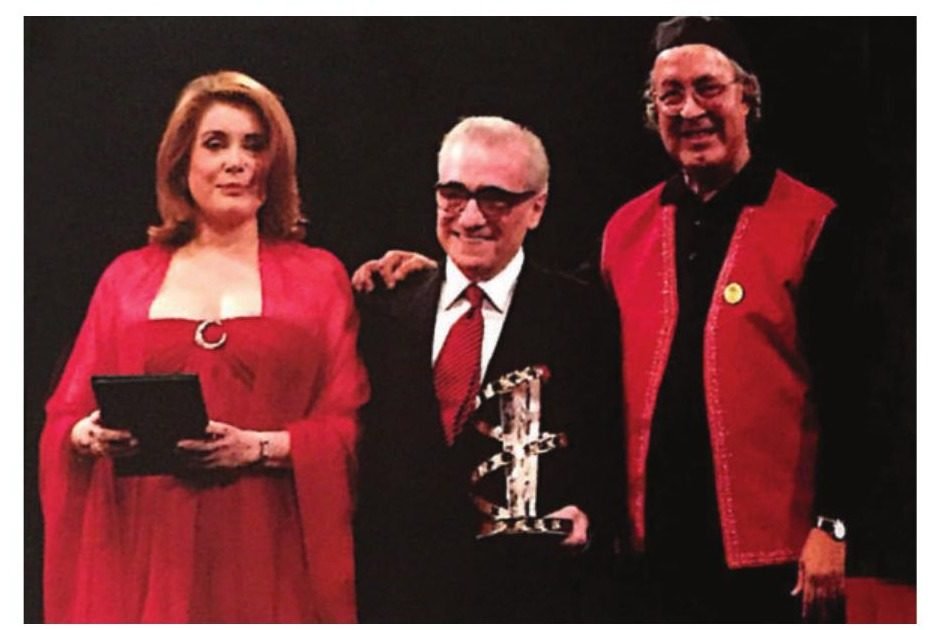
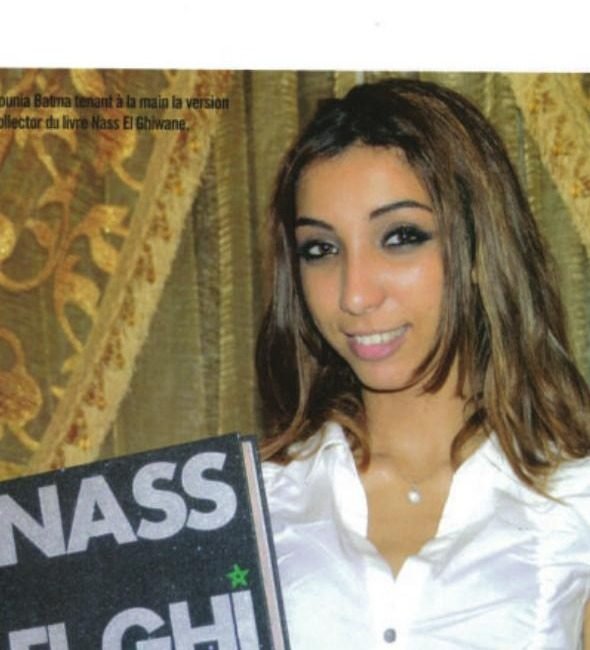
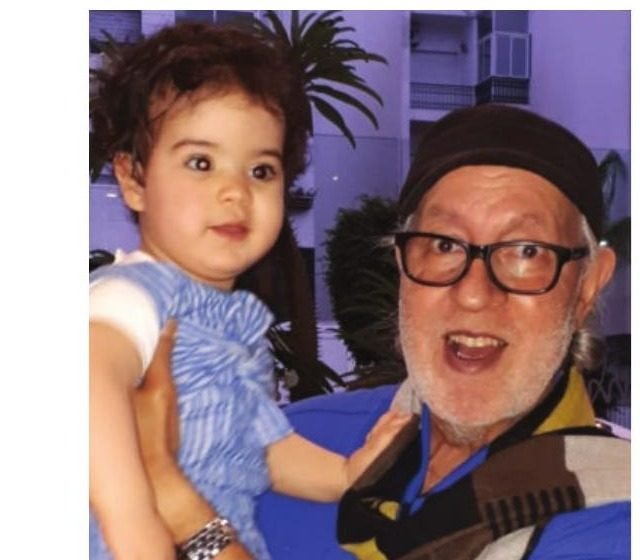
View the curated photo archiveExplore the framed collection →
How this page was built
This is a research digest, not an authorized biography. It draws on one primary source — a long Omar Sayed interview published as "À Bâtons Rompus" — checked, claim by claim, against independent reporting.
Every factual claim above carries one of four status tags. Where sources disagreed — a founding year, a cause of death — both versions are shown rather than silently resolved. Nothing about Omar Sayed's family goes beyond what he or his book's editors already made public themselves.
One image supplied for this project — a stylised, uniformly-styled "band photo" of five young men — was left out entirely: its polish doesn't match any documented Nass El Ghiwane photograph or era, and it could not be verified as authentic.
- Omar Sayed, Nass El Ghiwane, Éditions du Sirocco / Senso Unico, 2011, preface by Martin Scorsese
- Omar Mrani, "Le dernier des Mohicans," c. 2013
- La Vie éco — band history & family origins
- Yabiladi — Larbi Batma obituary coverage
- Fanack — "A Moroccan Phenomenon in Committed Art"
- AramcoWorld (2024) — band retrospective
- The Film Foundation / Criterion Collection — Transes restoration
- BnF / INA / French Ministry of Culture — Fête de la Musique, 1982
- Zamane; Aujourd'hui le Maroc — Boujemâa H'gour's death
- Barlamane; Al Ayam24; Assabah — Siham Sayed, 2015 & documentary
- Hespress — 2024 interview; health & Hammamet coverage, 2025
- Al3omk — January 2025 surgery & Allal Yaâla reconciliation
- Madar21 — Hammamet Festival absence, July 2025
- Akhbarona; Al Jarida24 — July 2026 hernia surgery
- Eremnews — career retrospective & filmography
- Wikipedia (FR/EN/AR) — cross-checked, never sole source